"Amazon, Amazon Prime, the Amazon logo and Amazon Prime logo are trademarks of Amazon.com, Inc. or its affiliates". Advertising Disclosure
BestChoice.guide ratings are based on a multitude of verified customer feedback and our attention is solely on products that we truly value. If you choose to click on the links to the products we mention, we could receive an affiliate commission, but this will not cause you any additional costs.
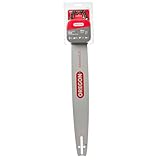
Upgrade your chainsaw with Oregon's premium bar & chain combo. For saws with an 18-inch (45cm) guide bar, 62 drive link, 3/8" low profile pitch and .050" gauge chain, and A041 motor mount
Fits several chainsaw models, including from: Echo, Craftsman, McCulloch, Homelite, Poulan,Makita, Ryobi and more; see description. For saw sizes up to 42cc. ID link on chain for easy replacement
Featuring Oregon’s special LubriTec oiling system: Keeps your chain and guide bar automatically oiled, for less friction and longer life
Ideal for occasional commercial users: For professionals and homeowners. Chain is durable and easy to maintain, with a forgiving performance
Low kickback spare saw chain: High performance, lightweight, heavy duty and reversible guide bar, with low kickback design for improved safety. Meets recoil performance requirements of ANSI B175.1-2012
Upgrade your chainsaw with Oregon's premium bar & chain combo. For saws with 20-inch guide bar, 72 drive link, 3/8-inch pitch and .050-inch (1.3 mm) gauge chain, and K095 motor mount
Fits certain chainsaw models from brands such as Poulan, Husqvarna, Jonsered, Makita and more. See description. 72V chain type. ID link on chain for easy replacement
Featuring Oregon’s special LubriTec oiling system: Keeps your chain and guide bar automatically oiled, for less friction and longer life
Includes 20" bar with K095 Motor Mount and D72 Saw Chain
Upgrade your chainsaw with Oregon's premium bar & chain combo. Ensure that your saw uses a 20" bar and .325" pitch .063" gauge saw chain with 81 drive links, and D025 motor mount
This chainsaw bar and L81 chainsaw chain fit a wide range of Stihl chainsaw models up to 62 cc, including 024, 026, 026P, 028, 029, 030, 031, 032, 034, 036, MS 260, MS 270 & MS 271 (older versions with .063" gauge), MS 280, and MS 290
The L81 chainsaw chain features Oregons special LubriTec oiling system, which helps to keep your chain and guide bar automatically oiled for less friction and a longer life
Designed for low kickback and low vibration without sacrificing quality, the L81 chain offers enhanced safety when in use. Meets recoil performance requirements of ANSI B175. 1-2012
AdvanceCut saw chains are ideal for landscaping professionals who occasionally cut wood and private users who have a high standard in their yardwork. Not Guard Mate Compatible
【Chain and Bar Parameters】: 20 Inch Guide Bar (Tail mount: D025, Sprocket nose tooth Count: 12, Guide Bar Code: VXL); 20 Inch Saw Chain (81 Drive Links .063" Gauge .325", Semi-chisel, Low-kickback)
【Replaces OEM Part Numbers】: Chain Saw Bar Replaces OEM: For Oregon 203VXLGD025. Chain Replaces OEM: For Oregon L81, 22BPX081G
【20 Inch Bar Compatible Model】: Fit STIHL 024, 026, 028, 029, 030, 031, 032, 034, 036, 039, 040, MS260, MS261, MS270, MS271(older versions with .063" gauge), MS280, MS290, MS291, MS310, MS341, MS360, MS361, MS390, MSE220
【Savior Bar&Chain Feature】: Our guide bar is strong and durable, each rivet undergoes heat treatment and quenching processes. Not easy to break. Every saw chain comes protective oil to the surface, resists wear and improves strength, can reducing chain tension changes, and allows the machine to operate more smoothly.
【Package Includes】: 1* Chainsaw bar, 1* Chainsaw bar cover, 2* Saw chain, 2* Storage bag, 1* Pair of gloves(XL/10). (Gloves can be used to replace the chain and isolate the lubricating oil , but not anti-cut!!!! )
Upgrade your chainsaw with Oregon's premium bar & chain combo. For saws with 14" bar, 52 drive links, 3/8" pitch and .050" gauge chain, and A041 motor mount. For saw sizes up to 42 cc
Fits many saws, such as Echo CS310, Greenworks 2020902ME, Homelite ZR43100, Makita UC4051A & XCU04, Poulan PL3314 & PR4218, Ryobi RY3714 & RY40530, & more. Ensure fit by checking your owner's manual
Featuring Lubritec oiling system which keeps your chain and guide bar oiled, for less friction and longer life
Ideal for occasional commercial users. Chain is durable and easy to maintain with a forgiving performance
High performance lightweight and reversible guide bar
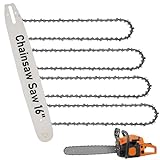
Complete 16 In Chainsaw Chain Kit: 16" Chainsaw Guide Bar And Chain Combo - Replacement Parts-3/8" Low Profile Pitch, 0.50" Gauge,56 Drive Links(4 Chain+1bar) Fits Most Chainsaw Brands Running The Same Specs. M-akita, Echo, Homelite, Poulan, Greenworks, Ryobi, Husqvarna, Etc.
Smooth Power Delivery: Our 16 Inch Chain Design Eliminates Slippage Through Rigid Tooth Engagement, Maintaining Precise Cutting Performance Even During Extended Heavy-Duty Use.Chrome-Plated Technology Creates Better Durability For Cutters And Can Resist High Temperatures While Anti-Clog Design Prevents Dust Buildup. Ideal For Professional Forestry And Emergency Cutting.
Effortless Installation: Designed For Quick And Easy Setup, This Chain Requires No Special Tools Or Skills—Simply Attach The Chain And Guide Bar To Your Saw, And You'Re Ready To Cut. Pre-Sharpened And Ready For Use Straight Out Of The Box, It Saves You Time On Maintenance, Allowing You To Start Cutting Immediately Without The Need For Sharpening
16 Inch Chainsaw Bar and Chains Combo Replacement For C-RAFTSMAN 358.34116, 358.35161, 358.35170, 358.35514, 358.38070, 358.38160, 38.38170, CMECS600, CMXGSAMNN4216. For ECHO CS-310, CS-330T, CS-346, CS-352, CS-355T CS-360T, CS-370, CS-400, CS-3400, CS-3450. For GREENWORKS CS60L210, 20152, 2000800, 2002802 and more.
16 Inch Guide Bar and Chains Fit For POULAN 220, 221, 222, 260, 400E, 1420, 1425, 1625, 1630, 1800, 1950, 2000, 2025, 2050, 2055, 2075, 2150, 2175, 2250, 2300, 2375, 2450, 2550, 3416, 3516, 3516AVX, 3816, WildThing. Fit For HOMELITE UT10516, UT10532, UT10560, UT10564, UT10568, UT10569, UT10660, UT10926, UT10947, UT43122, UT43123.
Upgrade your chainsaw with Oregon's premium bar & chain combo. Ensure that your saw uses a 16" bar with 3/8" low profile, .050" gauge saw chain with 56 drive links and A041 motor mount
This chainsaw bar and S56 chainsaw chain fit a wide range of chainsaw models up to 42 cc, including Craftsman CMECS600, S160, ECHO CS310, Earthwise CS33016, Homelite UT43104, UT43123, ZR43100
More fit models include Makita UC4051A,XCU04, Oregon CS1400, Poulan PL1416, PL3816, PR4218, Ryobi RY3716, and Wen 4017 & 40417
The S56 16" chainsaw chain features Oregon’s special LubriTec oiling system, which helps to keep your chain and guide bar automatically oiled, for less friction and a longer life
AdvanceCut saw chains are ideal for landscaping professionals who occasionally cut wood, and private users who desire a high standard in their yardwork
Includes one Husqvarna X-Force 18 inch chainsaw guide bar, designed for use with these Husqvarna chainsaws: 435, 435(e), 440, 440(e), 445, 445(e), 450, 450(e), 450 Rancher, 543XP, 545(MIII) and 550XP(MIII)
Precision Husqvarna Chainsaw Parts: 18 Inch Chain saw Bar features a .325" pitch, .050" gauge, and 72 drive links
Bearing System: Has support shields for increased productivity and easier maintenance. Keep this bar in mind for your list of mens gift ideas to give to a hardworking man in your life
No-Grease Hole: This Husqvarna chainsaw bar guide with no-grease hole prevents dirt from getting into the bearings while eliminating the need to replenish grease. For shoppers searching for Fathers Day gifts for dad, look no further
Durable Materials: Husqvarna chainsaw chain bar made with tough, hardened materials for a superior cutting experience, and precision manufacturing ensures the ideal fit. This chainsaw bar makes a suitable gift for men who own a Husqvarna chainsaw
Upgrade your chainsaw with Oregon's premium bar & chain combo. Please ensure your saw uses a 16" bar with 3/8" low profile, .050" gauge saw chain with 55 drive links and A074 motor mount
This chainsaw bar and S55 chainsaw chain fit a wide range of Stihl chainsaw models up to 42 cc, including the MS 170, MS 180, and MS 180 C
The S55 16" chainsaw chain features Oregons special LubriTec oiling system, which helps to keep your chain and guide bar automatically oiled for less friction and a longer life
Designed for low kickback and low vibration without sacrificing quality, the S55 chain offers enhanced safety when in use. Meets recoil performance requirements of ANSI B175. 1-2012
AdvanceCut saw chains are ideal for landscaping professionals who occasionally cut wood, and private users who have a high standard in their yardwork
The chainsaw bar, also known as the guide bar, plays a crucial role in determining the effectiveness and safety of your chainsaw. It supports the chain, guides it during cuts, and affects the depth and ease of your cuts. Whether you are felling large trees, cutting firewood, or pruning branches, choosing the right chainsaw bar can significantly enhance your saw’s performance and safety. Chainsaw bars come in various lengths and styles, each suited for different types of saws and cutting tasks. This guide will help you navigate the key features to consider when selecting the best chainsaw bar for your needs.
Key Features to Consider
Bar Length
Appropriate Length: The length of the chainsaw bar should match the tasks you plan to undertake. Longer bars can cut larger trees but require more power and can be harder to control. Bar lengths typically range from 10 inches for light work to over 20 inches for heavy-duty tasks.
Compatibility with Chainsaw: Ensure the bar is compatible with your chainsaw model. The power output of your chainsaw should be adequate to handle the length of the bar.
Bar Type
Sprocket-Nose Bars: These bars have a sprocket at the nose that helps reduce friction and wear on the bar. They are suitable for professional use and heavy-duty cutting.
Solid Bars: Designed for tough conditions, solid bars are durable and resistant to bending and flexing. They are ideal for cutting in dirty environments or when milling.
Laminated Bars: These are lighter and typically used for lighter-duty tasks. They consist of multiple layers and are designed to be less prone to bending.
Material and Construction
Durability: The material of the chainsaw bar affects its durability and lifespan. High-quality steel bars that are hardened or coated to resist wear and corrosion are preferable.
Maintenance Requirements: Some bars are easier to maintain than others. Consider how easy it is to clean the bar and keep it free of oil and debris.
Safety Features
Low-Kickback Bars: These are designed to reduce the risk of kickback, which is one of the most common causes of chainsaw accidents. They are especially recommended for less experienced users.
Ergonomics and Handling
Weight and Balance: The weight of the bar influences the overall balance of the chainsaw. A well-balanced saw is easier to handle and reduces operator fatigue.
Pros and Cons
Pros of High-Quality Chainsaw Bars
Cons of Chainsaw Bars
✔️ Enhances cutting precision and safety
❌ High-quality bars can be expensive
✔️ Suitable for a variety of tasks and wood types
❌ Not all bars fit all chainsaw models
✔️ Durable and designed to withstand tough conditions
❌ Longer bars require more power and can be harder to control
✔️ Features like low-kickback design improve safety
❌ Maintenance and replacement can be frequent depending on usage
Quick Tips
Match the Bar to Your Chainsaw’s Power: Check your chainsaw’s specifications to ensure it can support the length and type of the bar you choose.
Consider Your Most Common Cutting Tasks: Select a bar length and type that best matches the majority of your cutting needs.
Invest in Quality for Safety and Performance: Choosing a high-quality bar can improve both the safety and efficiency of your cutting tasks.
Selecting the right chainsaw bar involves understanding your specific cutting needs, the capabilities of your chainsaw, and the types of bars available. By carefully evaluating these factors, you can choose a chainsaw bar that not only maximizes your chainsaw’s performance but also enhances safety and handling. A well-chosen chainsaw bar is a crucial component that ensures your chainsaw operates effectively and continues to be a reliable tool for your cutting tasks.