TOP PICKS
Bestseller No. 1

Dog Shock Collar - 4500FT Dog Training Collar with Remote for Dogs 10-120lb
- [4 Custom Humane Training Modes] Train with confidence and build better behavior at home. This dog training collar helps reduce excessive barking, jumping on guests, leash pulling, chasing wildlife, and other unwanted behaviors, making everyday life more peaceful at home. Features Beep (1-8 Levels), Vibration (1-16 Levels), Safe Shock (0-99 Levels), and Shock Boost (10% Higher Stimulation) for fully customizable control. The shock function can also be turned off for a no-shock option when preferred.
- [4500FT Remote Range] Enjoy reliable off-leash training in backyards, dog parks, beaches, hiking trails, farms, and large open areas. Whether practicing recall or reinforcing commands from a distance, this e collar for dogs helps maintain consistent communication. Ideal for 2-dog households, the dual-channel remote controls up to 2 dogs and remembers each dog's settings for easy, simultaneous use.
- [IPX8 Waterproof Receiver Collar] Let your dog enjoy outdoor life without limits. Whether running through rain, playing in muddy yards, or swimming at the lake or beach, this shock collar for dogs is designed for active, adventurous dogs. The IPX8 waterproof receiver ensures consistent use in wet and outdoor environments, so training and playtime can continue naturally without interruption.
- [Fits Dogs 10-120lbs] Designed for small, medium, and large breeds with adjustable sizing for necks from 7.8" to 24.4". Ideal for growing puppies, active family dogs, and strong working breeds. The adjustable electric dog collar provides a secure and comfortable fit for daily wear and consistent use. For comfortable daily use, we recommend using the collar for no more than 12 hours per day.
- [Long Battery Life & Safety Lock] Spend more time training and less time charging. Perfect for daily walks, weekend trips, travel, and outdoor adventures, the ecollar receiver lasts up to 35 days on standby, while the remote lasts up to 45 days. Fast USB-C charging keeps things simple and convenient, while the built-in security lock helps prevent accidental corrections during everyday use.
Bestseller No. 2
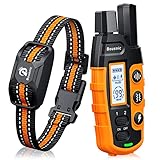
Bousnic Dog Shock Collar - 3300Ft Dog Training Collar with Remote for 5-120lbs Small Medium Large Dogs Rechargeable Waterproof e Collar with Beep (1-8), Vibration(1-16), Safe Shock(1-99) (Orange)
- Humane and Safe, Eliminate Bad Behavior Effectively: Bousnic Dog shock collar features 3 humane training modes with adjustable beep(1-8 levels), vibration(1-16 levels), safe shock(1-99 levels). It helps your unruly and hard-headed dogs learn to be a better part of your household.
- Extended 3300FT Range: Bousnic Dog Training Collar covers up to 3300Ft allowing your pet to roam farther. With dual-channel, It is perfect to train 2 dogs simultaneously outdoor at distances up to 3/4 mile.
- Fits for All Sizes of Dogs 5-120lbs: Bousnic training collar for dogs is ideal to control dogs as small as 5 pounds and as big as 120 pounds. Instant response security on/off switch button allows you to carry it without any fear of accidental touch.
- IP67 Waterproof Receiver: Bousnic electric dog collar can be used in any weather and any condition thanks to the IP67 waterproof design of the receiver (You’ll have to keep the remote control away from water).
- Incredible Battery Life: Bousnic e collar for dogs training has a decent battery life. The receiver’s battery can last for up to 15 days in working modes while the remote for over 1 month. the long battery runtime is a true lifesaver on those camping or tailgating weekends.
Bestseller No. 3

Dog Shock Collar - 4500FT Dog Training Collar with Remote for 10-120lbs Dog
- [4 Effective Training Mode - Recall & Correct Unwanted Dog Behavior] Featuring advanced Safe-Tech with 4 modes: Beep(1-8), Vibration(1-16), Shock(1-99 levels), and Emergency Shock Mode (stimulation for emergency behavior correction), our dog shock collar with remote control lets you customize the intensity and mode for efficient training, whether you're teaching basic commands at home or stopping excessive barking during outdoor walks.
- [Extended 4500FT Range - Ultimate Outdoor Freedom] The e collar for dogs training gives you exceptional long-range control - up to 4,500 feet - perfect for parks, beaches, and hiking trails. Train off-leash with total confidence. This dog training collar also supports 2 dogs with 1 remote, making it ideal for multi-dog homes. Plus, the smart remote remembers each dog’s settings, so switching between pets is seamless and hassle-free!
- [IPX8 Waterproof Collar - Ready for Any Adventure] With industry-leading IPX8 waterproof rating, the dog training collar is built to handle it all: rain, mud, lake swims, or even accidental dunks. No more worrying about water damage. Whether it’s a sudden downpour or a day at the beach, this shock collar for dogs stays fully functional. Let your dog splash, play, and train freely!
- [Adjustable & Comfortable Collar - Perfect for Most Dogs] Designed to fit dogs’ neck sizes from 7.8" to 24.4", this training collar suits small(10+lbs), medium, and large breeds up to 120 lbs - from energetic Terriers and smart Shepherds to playful Labradors, Huskies, and Golden Retrievers. The secure yet gentle fit ensures effective training without discomfort. For your dog’s well-being, we recommend using the collar for no more than 12 hours per day.
- [Long Lasting Battery & Safe-Lock] Enjoy up to 35 days of standby for the ecollar and 45 days for the remote. When it's time to recharge, a 2-hour fast charge gets you back quickly. Plus, the remote’s one-touch Safe-Lock can instantly lock the controls to prevent accidental pushes, so you can carry the remote worry-free in your pocket or bag. Train longer, train safer!
Bestseller No. 4

AI Dog Shock Collar 2 Dogs (10-120Lbs) - 3300FT Dog Training Collar with Remote, IPX7 Waterproof Collar with Beep, Vibration, Safe Shock for Large Medium Small Dogs, Keypad Lock and Flashing Light
- 3 Humane and Effective Training Modes: This dog training collar offers four adjustable modes—beep, vibration (1-9 levels), safe shock (1-18 levels)—ensuring tailored and safe training for your dog, helping curb undesirable behaviors effectively. And the remote control also has a light, which can illuminate the road when you go out at night
- 3300FT Remote Range & 2 Channel: With an impressive 3300FT range, this collar allows your dog the freedom to roam while staying within reach. The remote supports two collars simultaneously, making it perfect for training two dogs at once without the need for resetting
- Fits Dogs of All Sizes: Designed to accommodate neck sizes from 7 to 26 inches and dogs weighing 10 to 120 lbs, this versatile collar is suitable for small, medium, and large breeds. The soft nylon strap ensures your dog’s comfort, while the lightweight design minimizes any burden
- Long Battery Life and Fast Charging: Fast charging via 2-in-1 charging cable takes only 2 hours to fully charge. This dog training collar with remote control provides long battery life with up to 35 days standby time for the electronic collar and 45 days for the remote control
- IPX7 Waterproof for Any Condition: The IPX7 waterproof rating of the collar ensures durability and reliability in any weather condition, allowing your dog to enjoy training sessions even in the rain or while swimming
Bestseller No. 5
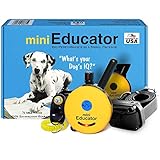
Educator ET-300 Mini E Collar for Dog Training with Remote - 1/2 Mile Range, Waterproof, 100 Blunt Stimulation Levels, Tone or Vibration Mode, Night Light Tracking for Small, Medium & Large Dogs
- COMFORTABLE FIT: Designed for dogs 15+ lbs with 10–26" adjustable necks, this lightweight remote collar provides a secure, comfortable fit for effective and stress-free training sessions.
- SAFE TRAINING SYSTEM: Features 100 levels of patented blunt stimulation for a gentle, effective response. Expandable for 2 dogs, this e-collar ensures precise control and safe obedience training.
- WATERPROOF & DURABLE: Both collar and remote are waterproof up to 500 ft, engineered for rain, snow, mud, and rough use. Built for active dogs, this system delivers reliability in any weather.
- QUICK-RECHARGE BATTERY: The ET-300 fully charges in 2 hours for extended life. Built for daily reliability, it delivers consistent performance so you can train without pauses or interruptions.
- ENHANCED LOW-LIGHT SAFETY: Built-in LED keeps your dog visible for evening walks and off-leash training. Reliable in any condition, it ensures safer, more confident sessions day or night.
SaleBestseller No. 6 −19%

SLOPEHILL Dog Training Collar,4200FT Remote Shock Collar for Dogs 8-140lbs
- 7 Effective Training Modes:SLOPEHILL dog shock collar with Beep, Vibration, Flash Light, Low shock level, High shock level, No shock ,and Keypad lock modes. You can use it to teach a dog basic commands and correct unwanted behaviors such as barking, chasing, and biting during outdoor activities
- 4200ft Remote Range & 3 Channels : Shock collar for dogs covers up to 4200ft remote range for more performance training.You can immediately get your dog's attention and recall them the moment they run too far.Train up to 3 dogs simultaneously from a single remote .You could train your dog in both the parks ,beaches, and hikes without any burden
- Built-in Anti-Lost Light on Both Collar and Remote: The flashing light on the collar helps you instantly locate your dog at night. Plus, the solid white LED light on the remote ensures you never fumble in the dark during nighttime walks. Keep your little one visible and safe in low-light situations
- No Shock Mode & Safe Static Adjustment :No shock mode is convenient for you to use only vibration and beep mode.Low shock (0-50) and high shock (51-99) allow you to adjust the accurate and comfortable static level for your dog, and keypad lock mode helps you prevent any accidental operation.When shock is not needed, you can also remove the metal prongs for a comfortable fit and it won’t harm your pet's skin
- IP68 Waterproof and Adjustable Shock Collar:The training collar receiver is waterproof which offers your dogs maximum flexibility during outdoor activities.(Note: Remote is Not waterproof).Size adjustable collar strap, length from 8 to 26 inches, fits dogs from 8 to 140 lbs.Dog training collar is the excellent solution to all your dog training needs
SaleBestseller No. 7 −13%
Starmark Pro-Training Dog Collar Large 21-inch, Humane No-Pull
- GENTLE, EFFECTIVE CONTROL – Patented humane design helps discourage leash pulling and reinforce obedience with gentle correction.
- WATCHBAND LINK SYSTEM – High-strength links can be added or removed to size the collar precisely for a secure, comfortable fit.
- TRAINING TOOL - Rounded tips and martingale style collar offer gentle, effective control for training and preventing lunging or pulling behaviors.
- EXPERT CREATED – Developed by certified training and behavior experts at Starmark Academy for effective, positive training.
- SUPERVISED TRAINING ONLY – Includes a backup nylon slip collar for security; never leave any training collar on an unattended dog.
Bestseller No. 8
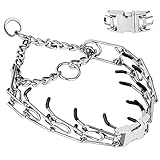
Prong Collar for Dogs, Dog Training Collar for Small Medium Large Dogs
- 【Effective Safiman Dog Collar】: Walking your dogs can be tough when they're constantly pulling on the leash or barking at passers-by. Safiman dogs Collar will be the best tool to communicate with your puppy, which mimics the correction that a mother dog naturally gives to puppies, making it easier for them to understand when their behavior is unacceptable.Easily Correct Your Dogs Behavior.
- 【Humanity Protection Design】: Safiman Dog training Collar used round head and smooth surface, the collar for dogs provide necessary & friendly remind, and ensure that no harm comes to your pet.Equipped with comfortable rubber cover, soft rubber caps provides extra comforts.which makes getting your dog to accept much easier.
- 【Quick Friendy Front Bukle】: This unique Safiman Dog training Collar shas a custom-designed front quick release buckle is friendly to your dog and make securing removing the leash from your dog a breeze! 8 collar links placed directionally around the collar ensure you will get your dog’s attention no matter the angle.
- 【Stainless Steel Reliable】: This Safiman Dog training Collar is made of high strength chrome plated stainless steel, this durable collar has a rust-free and water-resistant construction that will provide years of use. Smooth and round edge, combines with the rubber caps to bring double protection which will not cause harm to your pets.
- 【For All Sizes of Breed】: whether your pet is a Pitbull, a German Shepherd, a Beagle , or a Bulldog, our collar is suitable for all size of breed, the package comes with 2 links, it is convenient for any adjustment, Multiple different size meets your different needs, suitable for small, medium, large and extra-large dogs.
SaleBestseller No. 9 −7%

Shock Collar for 2 Dogs, 4500FT Training Collar with Remote for 10-120lbs
- Train Two Dogs Easily: Simplify daily training with 1 remote independently controls 2 training collars—perfect for multi-dog families. Correct bad behaviors like excessive barking, jumping, digging, chasing using 4 adjustable training modes: Beep (1-8), Vibration (1-16), Safe Static (0-99), and Shock Boost (+10%)
- 4500FT Stable Range: Designed for recall training, off-leash training, and everyday obedience training, this dog shock collar delivers reliable control up to 4500FT. Train confidently in the backyard, park, beach, farm, hiking trail, or campground with a stable signal and built-in memory that remembers your previous settings without resetting after each use
- Convert to No Shock Collar: Build better habits with progressive training methods. Start with Beep and Vibration, then adjust to Safe Static only when needed. Simply remove the contact points and set static level to 0 to convert this dog electric collar into a no shock option, ideal for puppies and sensitive dogs
- IPX8 Waterproof & All Breed Fit: Designed for active dogs, this waterproof shock collar performs reliably in rain, puddles, mud, and swimming. The ecollar's adjustable nylon strap fits neck sizes from 7.8 to 24.4 inches and dogs from 10-120 lbs, making it suitable for small, medium, large dog
- Long-Lasting Power: Spend more time training and less time charging. The dog e collar provides up to 35 days of standby time and the remote up to 45 days. Fast 1.5-hour charging with a 3-in-1 USB charging cable keeps your training gear ready, while the safety lock prevents accidental activation during travel or storage
BUYING GUIDE
Training your dog can be a rewarding experience, but it often requires the right tools to effectively communicate and enforce commands. A dog training collar can be a useful aid in this process, especially for correcting unwanted behaviors or for off-leash training. However, it’s crucial to choose a collar that is both effective and humane. This guide aims to help you navigate the key factors to consider when selecting the best dog training collar for your pet’s specific needs.
1. Type of Training Collar
- Electronic Collars: These collars deliver a mild electric shock to get the dog’s attention but should be used cautiously and as a last resort.
- Vibration or Sound Collars: These collars use vibration or sound cues to get the dog’s attention and are generally considered more humane.
2. Range
- Short-Range vs. Long-Range: Consider how far you’ll be from your dog during training. Some collars work effectively up to 1000 feet or more.
3. Adjustable Intensity
- Multiple Levels: Look for a collar that allows you to adjust the intensity of the stimulus, so you can tailor it to your dog’s sensitivity level.
4. Safety Features
- Automatic Shut-off: Some collars have a safety feature that turns off the stimulus after a certain period to prevent accidental over-correction.
- Locking Feature: This prevents accidental shocks by locking the settings.
5. Comfort and Fit
- Adjustable Size: The collar should be adjustable to fit your dog’s neck comfortably.
- Weight: Make sure the collar is not too heavy for your dog, especially for smaller breeds.
6. Battery Life
- Duration: Check how long the battery lasts and how long it takes to recharge.
- Type of Battery: Some collars use replaceable batteries, while others have a rechargeable unit.
7. Waterproof
- Water Resistance: If you’ll be training outdoors or near water, a waterproof collar is a good feature to have.
8. Additional Features
- Remote Control: Some collars come with a remote control for easier operation.
- Multiple Dogs: Some systems allow you to control multiple collars from a single remote, useful for households with more than one dog.
9. Price
- Budget: Training collars come in various price ranges. While you shouldn’t compromise on essential features like safety and effectiveness, there are options for different budgets.
10. Reviews and Recommendations
- Customer Reviews: Online reviews can provide valuable insights into the collar’s effectiveness and safety.
- Veterinarian or Trainer Recommendation: Consult professionals for their opinions, especially if your dog has specific behavioral issues.
Choosing the right dog training collar involves considering various factors such as the type of collar, range, adjustable intensity, and additional safety features. By taking into account these key aspects and consulting professionals for recommendations, you can make an informed decision that will make the training process more effective and humane for both you and your dog.