"Amazon, Amazon Prime, the Amazon logo and Amazon Prime logo are trademarks of Amazon.com, Inc. or its affiliates". Advertising Disclosure
BestChoice.guide ratings are based on a multitude of verified customer feedback and our attention is solely on products that we truly value. If you choose to click on the links to the products we mention, we could receive an affiliate commission, but this will not cause you any additional costs.
PERMANENTLY SEALS GAS TANKS UP TO 25 GALLONS: Complete 3-step kit cleans, preps, and permanently seals the inside of steel, aluminum, and fiberglass fuel tanks in one pour-coat-and-drain application.
STOPS RUST AND CLOGGED FUEL FILTERS FOR GOOD: Eliminates existing rust and corrosion and prevents it from coming back, so fuel filters and carburetors stay clean instead of clogging with rust flakes.
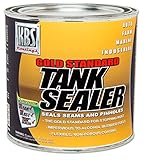
MOISTURE-CURED UREATHANE, NOT PAINT: Unlike paint-type or adhesive liners that soften or peel in ethanol blends, Gold Standard Tank Sealer cures into a tough, flexible coating impervious to gasoline, diesel, ethanol blends, and most solvents.
WITHSTANDS 600 DEGREES F AND FLEXES WITH THE TANK: Cured coating handles engine and exhaust heat without breaking down, and stays flexible enough to expand and contract with the tank instead of cracking.
EVERYTHING NEEDED IN ONE BOX: Includes KBS Klean cleaner/degreaser, RustBlast rust remover and metal etch, Gold Standard Tank Sealer, nitrile gloves, and complete step-by-step directions. Non-flammable and contains no Methyl Ethyl Ketone.
COMPLETE 3-STEP SYSTEM — EVERYTHING INCLUDED: Kit contains a quart of KBS Klean heavy-duty degreaser, a quart of RustBlast rust remover & metal etch, 8 oz. of Gold Standard Tank Sealer, nitrile gloves, a stir stick, and step-by-step instructions — no extra purchases needed to get the job done right.
PERMANENTLY SEALS RUST & STOPS CORROSION: Gold Standard Tank Sealer forms a super-tough, non-porous barrier that bonds directly to rust and bare metal, sealing pinholes and weld seams in one application. Once cured, it won't crack, peel, or flake — even years later.
FUEL & ETHANOL PROOF FORMULA: The cured coating is impervious to gasoline, diesel, ethanol blends, alcohol additives, and most solvents — making it compatible with all modern fuel types including E10, E15, and E85 blends.
WORKS ON MOTORCYCLES, GENERATORS, MOWERS & MORE: Sized for tanks up to 5 gallons, this kit is ideal for motorcycle and dirt bike tanks, snowmobiles, ATVs, lawn tractors, generators, and other small utility tanks — steel, aluminum, and fiberglass compatible.
PROFESSIONAL RESULTS WITHOUT SPECIAL SKILLS: The included RustBlast prep step reduces flash rust by over 80% and creates an ideal anchor profile for the sealer, so you get a durable, professional-grade finish even on a first-time DIY project. Made in the USA by KBS Coatings.
This tank sealer is a polymer coating resistant to gasoline, diesel fuel, alcohol and other fuel additives, it's major use is to seal leaking fuel tanks (1 Qt will seal metal tank up to 14 gallon)
Easy to use if the directions are followed closely. It seals the of small leaks that often form, you fix the obvious leaks and the sealer seals the rest
Contrary to what some people will tell you, rust does form inside gas tanks. The cause is condensation and water in gas.
This sealer seals rust under the coating so it cannot flake off to plug fuel-line filters or cause engine damage. Further rusting is reduced also.
The coating is very flexible and does not crack as do some of the others. This gives the repair a much longer life.
✅ WHY CHOOSE POR-15 FUEL TANK SEALER? POR-15 Tank Sealer is specifically formulated to provide a permanent seal with superior strength and resistance to all fuels, including the new Stage II fuels which have a high alcohol content.
✅ STOP RUST - POR-15 is the gold standard in rust prevention, and our Fuel Tank Sealer is no exception. Formulated and developed in our laboratories due to the demand for a high-tech sealer impervious to all fuels, POR-15 is essential in preventing rust and corrosion for long lasting results.
✅ PREP FOR SUCCESS - Drain all fuel from tank, remove tank from vehicle, and clean out tank. All fuel tanks are dirty and have to be cleaned out before sealing. If you try to seal a tank without cleaning it first, the new coating will fail, because Tank Sealer won’t stick to gum and varnish. After taking preliminary steps for cleaning and prep, use as directed for an excellent finish.
✅ WHEN DO I NEED THIS? – POR-15 Fuel tank sealer is perfect for automotive restoration. Renew your car, truck, or motorcycle fuel tank through our simple, single application coating. Allow proper time to cure for impervious protection from fuel, alcohol, corrosion and rust.
✅ OUR SATISFACTION COMMITMENT - At POR-15 we strive to bring the ultimate in rust prevention. Known for the unbeatable 3-step stop rust system, POR-15 is trusted by DIY & Professionals. We are committed to innovation, quality control, and excellent customer service. If you are not satisfied, let us know & we’ll do everything we can to make it right!
Fuel tank sealers are essential for repairing and preventing leaks in fuel tanks, preserving the integrity and safety of your vehicle’s fuel system. These products are designed to create a durable, leak-proof barrier, combating rust, corrosion, and the natural wear and tear that fuel tanks endure. With various formulations and application methods available, choosing the right fuel tank sealer is crucial. This guide will help you navigate the options to find the best fuel tank sealer for your vehicle.
Key Features to Consider
Compatibility
Fuel Type Compatibility: Ensure the sealer is suitable for the type of fuel used in your vehicle (gasoline, diesel, etc.).
Tank Material Compatibility: Check whether the sealer works with your tank’s material (steel, aluminum, plastic).
Effectiveness and Durability
Leak Prevention: Look for a sealer known for effectively sealing and preventing future leaks.
Resistance to Chemicals and Conditions: The sealer should withstand the fuel, additives, and temperature variations.
Application Process
Ease of Application: Consider the steps involved and the ease of use, including mixing and curing times.
Coverage: Determine how much area the product can cover to ensure you have enough for your tank.
Safety and Environmental Considerations
Toxicity: Be aware of the toxicity level of the product and necessary safety precautions during application.
Ventilation Requirements: Some sealers may emit strong fumes and require adequate ventilation.
Longevity
Long-Lasting Seal: Choose a sealer that offers a long-term solution to avoid frequent reapplications.
Resistance to Wear and Tear: The sealer should maintain its integrity over time, resisting cracking or peeling.
Pros and Cons
Basic Fuel Tank Sealers
Advanced Fuel Tank Sealers
Pros:
Pros:
💰 Cost-Effective
⚡ Enhanced Sealing Performance
🖌️ Easier to Apply
🛡️ Superior Durability
🌿 Safer, More Eco-Friendly Options
Cons:
Cons:
⚠️ May Not Last as Long
💸 Higher Cost
🛠️ Limited Resistance to Chemicals
🕒 Longer Curing Time
Quick Tips
1️⃣ Read Reviews: Look for feedback on effectiveness, durability, and ease of application. 2️⃣ Understand Your Needs: Assess the condition of your fuel tank and the type of fuel used to choose the most suitable sealer. 3️⃣ Follow Instructions Carefully: Proper preparation and application are key to ensuring a lasting seal.
Choosing the right fuel tank sealer is vital for maintaining the functionality and safety of your vehicle’s fuel system. Consider the product’s compatibility with your fuel type and tank material, its effectiveness in sealing leaks, and its overall durability. The best fuel tank sealer will provide a reliable, long-lasting solution, keeping your fuel where it belongs and your vehicle running smoothly.