TOP PICKS
SaleBestseller No. 1 −39%

OSLTWI Ultrasonic Jewelry Cleaner Machine: 48KHz Ultra Sonic Cleaner for Jewelry,Eyeglass,Rings,Watch Band,Dentures,with Dual Cleaning Modes,350ML 304 Stainless Steel Tank,Gift for Wife,Mom,Daughter
- 【Laboratory-Verified Safe & Efficient Ultrasonic Cleaning】Professionally engineered with 48kHz ultrasonic technology, proven safe for your valuables through rigorous testing. The 304 stainless steel tank is softer than your jewelry to prevent scratches. Set the 5-minute (gentle) or 7-minute (intensive) timer—the cleaner will automatically pause when the cycle completes, offering truly worry-free, hands-off care.
- 【Save Money with Water‑Only Cleaning】Skip expensive chemical solutions—water alone powers deep and gentle cleaning, saving you over $150 per year on recurring costs. Perfect for refreshing daily‑wear jewelry, eyeglasses, or watches in minutes. Just plug in, tap to start, and enjoy effortlessly sparkling results.
- 【Lightweight & Easy‑to‑Use Design】Weighing only 0.57kg, this ultrasonic cleaner is compact and portable for easy storage. Operation is simple with a one‑touch mode selector—no complicated settings required. It delivers consistent cleaning without the risk or effort of manual methods.
- 【Trusted by Over 100,000 Users for Multiple Items】Effectively and safely cleans silver, diamonds, watches, glasses, and more, with a 95% dirt‑removal rate reflected in its 4.8‑star average rating. Trusted by a large community of jewelry lovers. For tough, set‑in grime, a dedicated ultrasonic cleaning solution can be used (sold separately).
- 【A Considerate Gift Backed by Reliable Support】An ideal gift that promotes care and helps keep valuables looking their best. Backed by 24/7 customer service and reliable support, it’s more than a cleaner—it’s a thoughtful investment in lasting beauty and satisfaction.
SaleBestseller No. 2 −33%

Ultrasonic Jewelry Cleaner,50Khz Cleaner Ultrasonic Machine for Jewelry, Glasses, Rings, Watch Strap, Dentures, 24oz - 304 Stainless Steel Tank, Digital Timer(White)
- Dual-Intensity Cleaning – Ultrasound + UV: This jewelry cleaner combines 50kHz high-frequency ultrasound with UV light technology. The powerful microbubble cavitation penetrates intricate designs to remove surface oils and grime, restoring your items' original shine. Works effectively with just tap water, and performs even better with an ultrasonic cleaning.
- User-Friendly Operation: This ultrasonic cleaner is equipped with two simple buttons and five time modes (90/180/280/380/480 seconds). Simply add water, select your desired time, and the ultrasonic cleaner automatically shuts off when the preset duration ends, letting you customize cleaning times based on your item's needs. For watch straps or heavily soiled items, choose longer cycles.
- Durable & Portable Construction: This ultrasonic denture cleaner is built with a sturdy 304 stainless steel tank, featuring four non-slip rubber feet that stabilize the unit and effectively minimize noise. Its compact size measures just 8.66"x4.93"x3.54" and weighs 1.65 lbs, with a 700ml (25 oz) capacity — larger capacity. Perfect for home, office, or travel. A digital countdown timer clearly displays the remaining cleaning time.
- Multi-Functional Cleaning: This ultrasonic cleaning machine uses high-frequency 50kHz sound waves to clean items safely and effectively. It can be used for eyeglasses, jewelry, watches, dentures, coins, and other delicate accessories without causing any damage.
- Package Includes : This ultrasonic glasses cleaner comes with everything you need: 1 ultrasonic cleaner, 1 adapter, and 1 user manual. Perfect for cleaning jewelry, glasses, watches, and delicate accessories — making it an ideal holiday gift for family, friends, and loved ones.
Bestseller No. 3

Upgraded Ultrasonic Retainer Cleaner Machine, 45kHz Ultrasonic Dentures Cleaner for Night Guards, Braces, Aligner, Toothbrush, Jewelry and More, 200ML Capacity, Black1
- 【Ultrasonic Cleaning】Utilizing 45,000Hz high-frequency ultrasonic technology, the retainer cleaner generates millions of micron-scale cleaning bubbles per second, penetrating deep into the tiniest gaps to remove 99.99% of stubborn stains. High-frequency vibration ensures efficient cleaning while being gentle and harmless to the dental appliances. Ideal for dental appliances (retainers, dentures, aligner, mouth guards, night guards, toothbrushes) and even jewelry & accessories.
- 【UV Deep Cleaning】 The retainer cleaner has 4 UV Lamps for 360° deep cleaning. UV Lamps can eliminate odors, and the cleaning degree is 3 times that of a toothbrush. When the lid is opened, the UV Lamps will automatically turn off to protect your family's eyes and skin from harm.
- 【4 Cleaning Modes】Depending on your dental appliances, you can choose the ultrasonic + UV Lamps fast cleaning mode or deep cleaning mode, or you can choose only ultrasonic cleaning or UV Lamps.You can also enhance the cleaning effect by using cleaning or mouthwash together.
- 【Double Hole Design & Low Noise】The top cover of the retainer cleaner has 2 holes, which can not only clean toothbrushes and makeup brushes, but also effectively dissipate heat and ventilation, and increase the life of the retainer cleaner. The operating noise of the retainer cleaner is less than 40 Hz, bringing you a quiet cleaning experience.
- 【Portable & Large Capacity】The retainer cleaner is very lightweight and portable. You can use it at home and in the office, or take it with you when traveling. The 200ML large capacity is suitable for most dental appliances,and it can even clean both upper and lower false teeth simultaneously.
Bestseller No. 4

Ultrasonic Retainer Cleaner Machine, 48kHz Dental Ultrasonic Cleaner Care
- 48kHz High-Frequency Deep Cleaning: This ultrasonic cleaner generates 48,000Hz of high-frequency sound waves, creating millions of microscopic cleansing bubbles that gently lift away stubborn stains and debris from hard-to-reach crevices. It works perfectly with plain water for daily care, or can be paired with cleaning tablets for enhanced freshness.
- Built-in UV-C Light Refresh: Keep your personal oral appliances pristine and clean every day. This retainer cleaner machine features built-in UV-C Light modules inside the lid to provide a deep refresh for your items, effectively removing unpleasant odors. For your safety, a built-in sensor automatically shuts off the UV-C Light whenever the cover lid is opened.
- 3 Precise Time Cycles & Smart Control: Tailor your daily routine with three precision timing cycles. This ultrasonic retainer cleaner offers 3 convenient modes on the digital display: 3 minutes for a quick daily rinse, 5 minutes for standard washing, and 10 minutes for an intensive deep refresh. The intelligent technology ensures a thorough clean with zero damage to your valuables.
- Food-Grade SUS304 Tank & Smart Touch Design: Engineered for longevity and effortless operation, the internal water tank of this retainer cleaner is crafted from premium food-grade 304 stainless steel with a 200ml max capacity. Featuring a seamless, waterproof smart touch control panel, you can switch modes with a gentle tap. Combined with an upgraded noise-reduction housing, the unit operates quietly under 45dB, making it a sleek and peaceful addition to your bathroom vanity.
- Safety Information: 1. Do not submerge the unit under water or allow water to penetrate the housing. 2. Always add water to the tank before turning on the power to prevent damage. 3. Ultrasonic operation will naturally increase the water temperature, so please use cold water. 4. Do not fill the tank past the marked maximum water level line. 5. Only use the provided power cord, and ensure the machine is operated under 110V to avoid damage.
SaleBestseller No. 5 −13%

Magnasonic Ultrasonic Cleaner - 20oz Stainless Steel Tank, Digital Timer, 5 Cleaning Modes, Ultrasonic Jewelry Cleaner for All Jewelry, Eyeglasses, Watches, Dentures, Retainers & More
- PROFESSIONAL QUALITY CLEANING: Magnasonic has been the industry leader for over 15 years providing deep cleaning solutions to remove dirt and grime from the most hard-to-reach areas
- HOME & COMMERCIAL USE: Make your valuables shine like diamonds - silver necklaces, gold rings, glasses, watches, dental instruments, retainers, automotive parts, coins, tools, and more (does not remove tarnish)
- ULTRASONIC TECHNOLOGY: This professional strength cleaner generates millions of microscopic bubbles using 42,000 Hz ultrasonic waves for all-around deep cleaning of crevices and cavities
- 5 CLEANING CYCLES: Just add tap water to the cleaning pod and select one of the 5 modes from quick to deep clean on the digital display
- LARGE STAINLESS TANK: Built to last, the 20oz (600ml) stainless steel tank offers anti-corrosion, scratch-free, and oxidation-resistant protection, with a basket for safe and easy item handling
Bestseller No. 6

VEVOR 6L Ultrasonic Cleaner with Heater Timer & Basket, Professional Digital Sonic Cavitation Machine, 180W Cleaning Machine for Watch Instruments, Glasses, Coin, Metal Parts, Tool
- Powerful Cleaning Performance: The VEVOR Sonic Cleaner operates at an ultra-high frequency of 40kHz, generating millions of tiny bubbles that explode in water, releasing strong cleaning energy. This energy penetrates every crevice, thoroughly removing stubborn stains from delicate parts, ensuring no area is left uncleaned.
- Advanced Transducer Technology: The efficient transducer, combined with ultrasonic shock waves, instantly breaks down tough grease. With 360° cleaning of precision instruments, it easily eliminates stubborn dirt, and oil without damaging the items. Whether for everyday items or professional cleaning needs, you can use it with confidence.
- Heated Cleaning: For different items such as jewelry, watches/electronic accessories, and heavy grease industrial components, you can control the cleaning temperature from 0-110°C to accelerate the dissolution of dirt. This provides more efficient and targeted cleaning results. The high-temperature mode quickly breaks down stubborn grease, while the low-temperature mode gently protects sensitive materials.
- Outstanding Quality: Made with corrosion-resistant and wear-resistant 304 stainless steel baskets and inner chambers, the included basket prevents scratches during cleaning. The portable handle and convenient drainage design make operation easy and straightforward, with every detail designed to provide an exceptional cleaning experience.
- Wide Applicability: From precious jewelry to complex automotive parts and everyday eyewear, this sonic cleaner handles all with ease. Whether you are a professional mechanic, a laboratory researcher, or an everyday user, this ultrasonic parts cleaner is your reliable assistant.
SaleBestseller No. 7 −28%

Ultrasonic Retainer Cleaner Machine 48kHz, Dental Ultrasonic Care Cleaner
- Ultrasonic Cleaning Technology: This retainer cleaner machine features 48,000Hz high-frequency ultrasonic technology, generating millions of micron-sized cleaning bubbles per second. Suitable for cleaning dental pod instruments (retainers, dentures, braces, mouth guards, night guards, toothbrushes)Works well with just water, and even better when used with cleaning tablets or solution.
- UV-C Deep Cleaning: This retainer ultrasonic cleaner is specially equipped with a UV-C lamp for comprehensive deep cleaning of your instruments. The UV-C lamp effectively removes residual odors and its cleaning power far surpasses that of a regular toothbrush.When the lid is opened, the UV Lamps will automatically turn off to protect your family's eyes and skin from harm.
- 4 Cleaning Modes: Denture retainer cleaner can depend on your dental braces and your needs, you can choose from three cleaning modes: Mode 1 (5 minutes of ultrasonic cleaning + 5 minutes of UV-C lamp irradiation), Mode 2 (10 minutes of ultrasonic cleaning + 10 minutes of UV-C lamp irradiation),Mode 3 (10 minutes of ultrasonic cleaning) or Mode 4 (10 minutes of UV-C lamp irradiation alone).
- 【Pulse-Flow Technology 】When you use the 10 Min Cleaning + 10 Min UV-C,Automatically enable this mode. We’ve engineered a "3-Second Clean, 2-Sonic Pulse Cycle. This rhythmic "work and rest" pulse increases cleaning efficiency by up to 30% compared to continuous vibration, all while being gentler on your aligners or retainers to prevent micro-damage.
- Quiet Design & Convenience: This ultrasonic retainer cleaner uses the latest upgraded noise reduction technology, with an operating noise level of less than 38 decibels. Combined with its portable size, it allows you to enjoy a quiet cleaning experience whether at home, in the office or on the go.This dark white denture cleaner pod also makes an ideal gift for elders, family, and friends.
Bestseller No. 8
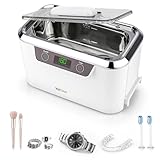
Ultrasonic Cleaner, Professional Ultrasonic Jewelry Cleaner for Diamond Ring, Silver, Gold, Earrings, Necklaces, Glasses, Denture, Retainer, Cpap, Coins, Mouthguard, Razors - VisiClean
- Professional Ultra Sonic Machine: VisiClean Electronic Cleaner Machine is powered by 110V to fill its large 800ml / 27oz stainless steel tank with a built-in cooling fan, touch controls, and waterproofed internal electronics that will not harm your valuables. This jewelry cleaner machine makes the cleaning process an effective one.
- Dual Ultrasonic Transducers for Non-Abrasive Cleaning: The ring cleaner machine offers a frequency of 42,000 hertz which combines well with its dual ultrasonic transducers that DOUBLE the cleaning power and gently lift dirt and grime away without scrubbing or using harsh chemicals. Use just water or add a small amount of dish soap to enhance cleaning.
- Super Compact & Easy to Operate: The removable, non-hinged lid and detachable power cord make it easy to clean and fill. In this gold jewelry cleaning ultrasonic machine, you can select from 5 pre-set settings (90-180-300-480-600 seconds) and it will countdown the time on the digital display and auto shut off when finished.
- Ideal for Multiple Uses: The eyeglass cleaner lets you enjoy professional standard cleaning from the comfort of your own space. The ultrasonic jewelry cleaning machine safely cleans a wide variety of products such as gold, platinum, diamonds, rings, watches, eyeglasses, sunglasses, tools, toothbrushes, dentures, mouth guards, cosmetic brushes, coins, and more. It also comes with a watch holder, which is ideal for suspending your watch inside of the basin. Do not place the watch face below water level.
- Withstand Years of Continual Use: The ultrasonic retainer cleaner machine is designed with long-term continuous use in mind. For long-term reliability, do not use hot water or run the machine for longer than 30 minutes without letting it cool down. VisiClean is a US company with customer support in the USA.
Bestseller No. 9

VEVOR Ultrasonic Cleaning Machine 30L 1200W
- High-Power Ultrasonic Cleaning Performance: This cleaner operates at a 40kHz frequency, providing 600W ultrasonic power and 500W heating power. Its scientifically designed parameters ensure thorough cleaning of your valuables and items without any risk of damage.
- Advanced Transducer Technology: Equipped with ten advanced transducers (10 x 60W = 600W) featuring a sandwich piezoelectric structure, this machine significantly enhances cleaning efficiency. The latest technology revitalizes items, making it suitable for both professional and everyday use.
- Advanced Transducer Technology: Equipped with ten advanced transducers (10 x 60W = 600W) featuring a sandwich piezoelectric structure, this machine significantly enhances cleaning efficiency. The latest technology revitalizes items, making it suitable for both professional and everyday use.
- Advanced Transducer Technology: Equipped with ten advanced transducers (10 x 60W = 600W) featuring a sandwich piezoelectric structure, this machine significantly enhances cleaning efficiency. The latest technology revitalizes items, making it suitable for both professional and everyday use.
- Versatile Applications: This sonic cleaner is FCC, CE, RoHS, and UL certified, ensuring safety and reliability. It is widely used for cleaning a variety of items, including wrenches, screwdrivers, industrial parts, and mental instrument apparatuses, making it an excellent choice for professional-grade cleaning solutions.
Bestseller No. 10

Zima Dental Pod: Ultrasonic Cleaner Machine for Retainers, Aligners, Mouth Guards, Night Guards, dentures & Braces. Award Winning, Engineered for Oral appliances.
- Retainer, Aligner, Guard and Denture Cleaner: Specifically engineered to clean oral appliances. Built with your appliance in mind for a gentle, yet effective, non-abrasive clean, compact enough for daily bathroom use.
- Award Winning Innovation: Our patented ultrasonic technology automatically adjusts between 42–47 kHz for optimal cleaning. Voted Product of the Year by leading dentists at the 2024 and 2025 British Dental Association Awards.
- Ultrasonic Cleaning Technology: 42,000 Hz ultrasonic cavitation generates millions of microscopic bubbles per second, reaching grooves and contours manual brushing can't access.
- Two Cleaning Modes: A standard cycle for everyday use, plus a Max Clean cycle; for best results on heavier build-up after travel or time away from your routine.
- 12-Month Warranty: Every Dental Pod includes a full 12-month warranty, with support response within one business day via Amazon Buyer-Seller Messaging.
BUYING GUIDES
Ultrasonic instruments have a wide array of uses, from medical diagnostics (e.g., ultrasounds) to industrial applications (e.g., thickness gauging, flaw detection) to scientific research (e.g., analyzing molecular structures). Choosing the best ultrasonic instrument requires understanding your needs and researching available options to select a device that offers the right features, reliability, and value. This guide provides a roadmap to navigate the complex world of ultrasonic instruments.
- Identify Your Needs: The best ultrasonic instrument for you depends on your specific needs. For example, are you using it for medical, industrial, or research purposes? Each application has unique requirements. Consider the following:
- Medical: For fetal imaging, heart scans (echocardiograms), or other clinical uses, a medical-grade ultrasonic scanner is needed.
- Industrial: For flaw detection in materials, thickness gauging, or cleaning processes, a specialized industrial ultrasonic device would be most suitable.
- Research: For molecular or material research, high-precision ultrasonic spectroscopy tools may be required.
- Technical Specifications: Once you’ve identified the application, it’s time to delve into the technical specifics. Important parameters to consider are:
- Frequency: Higher frequencies provide better resolution but less penetration, while lower frequencies penetrate deeper but offer less resolution. The choice of frequency will largely depend on your application.
- Power: For cleaning applications or certain industrial uses, the power of the ultrasonic instrument matters.
- Probe Types: Different probes (also known as transducers) have different characteristics, like the shape of the sound beam and depth of penetration. Depending on the application, you may need a linear, convex, phased array, or other specialized probe.
- Quality and Brand Reputation: It’s always a good idea to consider the reputation of the manufacturer. Brands with a long-standing record of quality and service are often a safe bet. Reviews and user experiences can provide valuable insights. In 2023, well-known manufacturers of ultrasonic instruments include GE Healthcare, Siemens Healthineers, Olympus, and Sonosite, among others.
- Service and Support: Ultrasonic devices can be complex and may require professional service and support for maintenance or troubleshooting. Check whether the manufacturer offers service contracts or warranties, and consider the ease of contacting their support team.
- Price and Value: Ultrasonic instruments can vary widely in price, from hundreds to tens of thousands of dollars, depending on their specifications and intended use. Make sure to balance your budget against your needs, and consider the long-term value of the instrument, including its expected lifespan, maintenance costs, and potential for upgrades.
- Certification and Compliance: If you are using the device for medical or certain industrial applications, ensure that it complies with the relevant regulations and certifications in your region (e.g., FDA approval for medical devices in the U.S.).
Conclusion:
Buying the best ultrasonic instrument involves a careful assessment of your needs, a detailed examination of technical specifications, and consideration of the manufacturer’s reputation and support. By applying these guidelines, you can make a well-informed decision and find an instrument that will serve you effectively for years to come. Always keep an eye on technological advancements, as the field of ultrasonics is constantly evolving, bringing newer, more efficient models to the market.