"Amazon, Amazon Prime, the Amazon logo and Amazon Prime logo are trademarks of Amazon.com, Inc. or its affiliates". Advertising Disclosure
BestChoice.guide ratings are based on a multitude of verified customer feedback and our attention is solely on products that we truly value. If you choose to click on the links to the products we mention, we could receive an affiliate commission, but this will not cause you any additional costs.
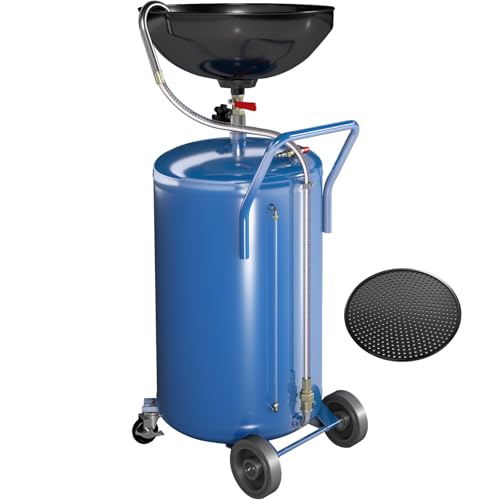
Large Capacity: The 20-gallon oil drain can meet the needs of up to 10 consecutive waste oil treatments.. It features air operated working principle for rapid oil drainage. Ideal for draining, transferring, and evacuating oils and fluids
Support More Operation Height: Featuring 38-65 inches height adjustment range, the oil drain tank accurately adapts to different vehicle models or lifting equipment heights, ensure tight connection, avoid leakage, and meet the needs of repair shops, 4S shops and personal garages
Flexible Movement: Four-wheel drive for flexible mobility, a combination of 4.5-inch rigid wheels and 2.76-inch universal wheels ensures smooth transportation in complex environments, whether it is a car repair shop or a personal garage
Anti-leakage Design: Equipped with a 15-inch ultra-wide splash-proof funnel, the oil recovery efficiency is improved simultaneously. Equipped with a 5ft and 9inch high-temperature resistant reinforced oil pipe (withstands 120°C continuous working temperature), it effectively prevents overflow and leakage, ensuring security and reducing the cleaning burden
Sturdy and Durable: Made of high-quality steel with powder coating, it is impact-resistant and corrosion-resistant, effectively extending its service life, saving replacement costs in the long term, and greatly meeting the needs of high-intensity operations.
20-Gallon Capacity: Our oil drain container offers a large capacity of 20 gallons, efficiently handling up to 10 consecutive waste oil treatments. Its air-operated working principle enables rapid oil drainage, making it perfect for draining, transferring, and evacuating oils and fluids with ease.
Height Adjustable for Versatility: Designed with a height adjustment range of 38 to 65 inches, this oil drain tank adapts effortlessly to various vehicle models and lifting equipment heights. This feature ensures a tight connection during use, minimizing the risk of leaks and making it ideal for repair shops, 4S shops, and personal garages.
Flexible Mobility: Equipped with a four-wheel drive system, which includes a combination of 4.5-inch rigid wheels and 2.76-inch universal wheels, this oil drain tank allows for smooth transportation in various environments, whether in a busy car repair shop or a personal garage.
Anti-Leakage Design: Featuring a large 15-inch splash-proof funnel and a high-temperature resistant 5.7-inch oil drain hose, this oil drain tank enhances oil recovery efficiency while preventing overflow and leakage. The design ensures safety during operations and reduces the cleaning burden after use.
Durable Construction: Made from high-quality steel with a protective powder coating, this oil drain pan is both impact-resistant and corrosion-resistant, greatly extending its service life. This durability not only meets the demands of high-intensity operations but also saves on long-term replacement costs.
【20-Gallon Capacity】LARBANKE oil drain container offers a large 20-gallon capacity, collecting waste oil from 8 to 10 vehicles and enabling highly efficient continuous oil drain operations. Operating on a pneumatic principle, it is well-suited for easy draining, transferring, and emptying of oil and other liquids.
【Anti-Leakage Design】LARBANKE oil drain container features a large 17.9-inch funnel design with a dedicated oil drain hose, enabling fast and efficient used oil transfer while dramatically reducing oil change time. Its leak-proof structure prevents spills and improves oil recovery efficiency. Engineered for safety and convenience, this oil drain system ensures reliable operation and makes cleanup quick and easy.
【Height Adjustable】The oil drain tank features an adjustable height ranging from 42-65 inches, making it ideal for fluid drainage on vehicle lifts. It is equipped with two fixed wheels and two swivel casters, providing excellent mobility and smooth maneuverability for easy positioning and stable operation.
【Sturdy and Durable】The oil drain is made of high-quality steel and surface powder coating technology, which is impact resistant, corrosion-resistant, and wear-resistant, significantly extending its service life, reducing long-term replacement costs, and easily coping with high-intensity operations. The oli drain tank is equipped with an ergonomic handle for comfortable and safe operation.
【Package】LARBANKE 20-gallon oil drain container set includes: one 20-gallon capacity oil drain pan, four swivel caster wheels, a wide-mouth funnel measuring 17.9 inches in diameter, and one oil drain hose.
Commercial-grade Capacity: The 21-gallon oil drain tank supports up to 10 oil changes with a dual-mode pneumatic system for easy suction and discharge. Ideal for tasks like lubrication and hydraulic oil transfer
Height Adjustable: With a range of 40-66 inches, this oil drain adjusts to fit various vehicles, ensuring a tight connection and avoiding leaks. Ideal for workshops, 4S stores, or DIY garages
Easy Mobility: Equipped with 5-inch directional wheels and 3-inch swivel casters, this portable oil drainer moves smoothly across various surfaces, ensuring hassle-free mobility in both tight and spacious environments
Leak-proof Design: The 16.5-inch wide splash-proof funnel and 59.1-inch long high-flow PVC hose of the oil drain container avoid spills and leaks, keeping your workspace clean and reducing cleanup time
Durable and Reliable: Built with a powder-coated metal tank that resists impact and corrosion, this drainer oil change tank offers exceptional durability, ensuring long-lasting performance and cutting down on replacement costs
[EFFICIENT DRAINING] This oil drain allows you to easily transfer used oil from the built-in tank to your own secondary container for effortless recycling at any height.
[ADJUSTABLE HEIGHT] You can adjust the height of this device from 45" To 72-1/2", making it easier to drain fluids from vehicles on lifts.
[STORAGE CAPACITY] This tank stores 20 gallons of waste oil and is supported by 4 wheels.
[INCLUDES ALL MATERIALS] This 20 gallon oil drain tank arrives with 4 wheels, a regulator, a drain hose and a gauge with a 1/4" NPT air coupler.
[Working Pressure] Working Pressure: 10PSI - Gauge: Gauge: 0-23PSI In 0.5 PSI Increments.
Commercial-grade Capacity: The 25-gallon oil drain tank handles up to 10 oil changes, ideal for auto repair shops or home garages. Its efficient pneumatic system ensures quick oil draining for a smooth, hassle-free experience
Height Adjustable: With a range of 42-68 inches, this oil drain adjusts to fit various vehicles, ensuring a tight connection and avoiding leaks. Ideal for workshops, 4S stores, or DIY garages
Easy Mobility: Equipped with 6-inch directional wheels and 3-inch swivel casters, this portable oil drainer moves smoothly across various surfaces, ensuring hassle-free mobility in both tight and spacious environments
Leak-proof Design: The 15.2-inch wide splash-proof funnel and 86.6-inch long high-flow PVC hose of the oil drain container avoid spills and leaks, keeping your workspace clean and reducing cleanup time
Durable and Reliable: Built with a powder-coated metal tank that resists impact and corrosion, this drainer oil change tank offers exceptional durability, ensuring long-lasting performance and cutting down on replacement costs
Large Capacity - The 20-gallons oil drain can meet the needs of up to 10 consecutive waste oil treatments.. It features air operated working principle for rapid oil drainage. Ideal for draining, transferring, & evacuating oils and fluids
Support More Operation Height - Featuring 45-61 inches height adjustment range, the oil drain tank accurately adapts to different vehicle models or lifting equipment heights, ensure tight connection, avoid leakage, & meet the needs of repair shops, 4S shops and personal garages
Flexible Movement - Four-wheel drive for flexible mobility, a combination of rigid wheels and universal wheels ensures smooth transportation in complex environments, whether it is a car repair shop or a personal garage. It is more flexible in the workspace and the ergonomic handle is comfortable to use and can be easily moved from place to place for ease of use.
Pressurized Self-Evacuation - Easily evacuate collected fluids with pressurized self-evacuation using standard shop air. The 1/4"NPT M Industrial Interchange allows for quick connection, making this oil lift drain perfect for busy automotive shops
Sturdy and Durable - Made of high-quality steel with powder coating, it is impact-resistant & corrosion-resistant, effectively extending its service life, saving replacement costs in the long term, and greatly meeting the needs of high-intensity operations
Effortless & Convenient Oil Collection: Collect motor oil, transmission fluid, and coolant effortlessly with this 70L (18.5-gallon) high-capacity container, Designed for lift-mounted vehicles, it services 12–20 vehicles per fill through a built-in evacuation system for quick, mess-free disposal
Adjustable Height with Secure Mobility: Adjust funnel height from 51.5 to 65 inches in seconds via quick-release valve for all vehicle types, 360° swivel casters (2 locking) ensure smooth workshop navigation and stable positioning during operation
Spill-Proof Funnel for Efficient Changes: 16.1-inch wide funnel captures waste oil perfectly without spills, paired with 20L (5.28-gallon) capacity to eliminate overflow risks and maximize oil change efficiency
Safety-Focused Industrial Durability: Premium powder-coated steel construction ensures rustproof longevity, with ergonomic handles and a pressure-release safety valve for secure, comfortable operation
Comprehensive Specifications: Capacity: 70L (18.5 gallons) Funnel Diameter: 16.1 inches Height Adjustment: 51.5 to 59 inches Caster Size: 3.5 inches (2 locking) Pressure: Oil drain: 0.6–0.8 Bar (8.7–11.6 PSI); Air supply: 6–8 Bar (87–116 PSI) Operating Temp: 40–60°C
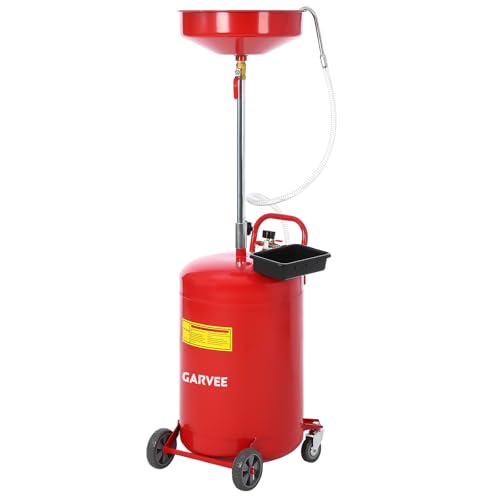
20 GALLON CAPACITY: This drain tank has a 20 gallon capacity and can collect used oil from 8-10 vehicles. It works pneumatically to empty waste oil from the tank in a short period of time. Ideal for draining, transferring and emptying oil and liquids.
PRACTICAL DETAILS: Our oil drain box comes with a small tool box to keep your small tools handy on the job. In addition, we also designed a plug to prevent oil leakage, which can avoid waste oil dripping.
PRACTICAL DETAILS: Our oil drain box comes with a small tool box to keep your small tools handy on the job. In addition, we also designed a plug to prevent oil leakage, which can avoid waste oil dripping.
MOVEMENT STABILITY: Our oil drain pan has two rigid wheels and two swivel casters for maximum mobility and maneuverability. It is more flexible in the workspace and the ergonomic handle is comfortable to use and can be easily moved from place to place for ease of use.
UPGRADED FUNNEL: The oil drain pan features a funnel-shaped design with a 15-inch diameter to prevent waste oil spills. Made of high-quality steel with powder coated surface, sturdy and rust-resistant, the 5.7-inch oil drain tube can withstand high temperatures.
For automotive repair shops and enthusiasts who handle frequent oil changes, a waste oil drain tank is an essential tool that offers a practical and environmentally responsible way to collect and store used oil. Choosing the right waste oil drain tank can streamline your maintenance processes, minimize environmental risks, and comply with waste disposal regulations. This guide will help you navigate the factors to consider when selecting a waste oil drain tank, ensuring you choose a system that meets your operational needs and sustainability goals.
Key Features to Consider
Capacity and Size
Capacity: The size of the tank should match your typical oil disposal needs. Capacities typically range from 15 to 100 gallons, so consider the volume of waste oil you usually accumulate before needing to dispose of it.
Footprint: Assess the space available in your work area to ensure the tank fits comfortably without impeding movement or other operations.
Material and Construction
Material: Most waste oil drain tanks are made from high-grade steel or heavy-duty polyethylene. Steel tanks are extremely durable and resistant to damage, while polyethylene offers resistance to corrosion and is lighter to move.
Construction Quality: Look for tanks that are well-constructed with strong welds (for steel tanks) or robust molding (for poly tanks) to ensure longevity and leak prevention.
Design and Usability
Drain Mechanism: Consider the type of drain mechanism offered, such as gravity-fed systems or those with pump-assisted evacuation for easier and cleaner oil transfer.
Portability: Many waste oil drain tanks come equipped with wheels to facilitate movement around the shop floor. Check that the wheels are suitable for your shop’s flooring and robust enough for regular use.
Features and Functionality
Adjustable Height: An adjustable tank height is beneficial for accommodating different vehicle types and lift heights, making it more versatile.
Tank Gauges: Some tanks include level gauges to help monitor the amount of waste oil in the tank, preventing overfilling and spills.
Ease of Cleaning: Consider how easy the tank is to clean and maintain, as regular cleaning will help extend its lifespan and prevent contamination.
Pros and Cons
Pros of Waste Oil Drain Tanks
Cons of Waste Oil Drain Tanks
✔️ Provides an efficient and tidy solution for handling large volumes of waste oil
❌ Larger tanks can be expensive and require significant space
✔️ Helps ensure compliance with environmental regulations
❌ The initial setup and maintenance might be complex for some models
✔️ Features like wheels and adjustable heights enhance usability
❌ Heavy tanks might be difficult to move, even with wheels, when full
✔️ Durable materials and construction minimize the risk of leaks and spills
❌ Not necessary for individuals or shops handling minimal oil changes
Quick Tips
Assess Your Oil Disposal Volume: Base your tank size choice on how much waste oil you typically accumulate between disposals.
Consider Mobility Needs: Ensure the tank is easy to move around your workspace, considering factors like floor type and space constraints.
Check for Additional Features: Extra features like gauges, pumps, and filters can greatly enhance convenience and operational efficiency.
Selecting the right waste oil drain tank is crucial for efficient workshop operations and environmental compliance. By considering factors such as capacity, material, mobility, and additional functionalities, you can choose a waste oil drain tank that not only meets your needs but also simplifies the process of oil changes and waste oil management. Investing in a high-quality waste oil drain tank is a smart move for any automotive service provider prioritizing sustainability and efficiency.